There Is No Game to Play
Why Playing Modern Games Often Feels Dull

Many gamers these days say, “There’s no game to play.” Even with so many games out there, people feel bored or unexcited. Why does this happen? And can gaming communities help? Let’s talk about why this happens and how communities might help solve it.
Why Do Gamers Feel This Way?
1. Too Many Choices
There are so many games, but it’s hard to pick one. People scroll through lists of games but don’t feel like playing any of them.
2. Same Old Ideas
Many games feel the same. Another battle royale, another open-world RPG, another hero shooter... They’re good, but they don’t feel new or exciting.
3. High Expectations
Games have become amazing over the years, but this also makes gamers expect a lot. What used to feel new now feels normal.
4. Meta Fatigue
In multiplayer games, you often have to follow the “meta” (best strategies). This makes games feel repetitive and less fun.
5. Too Much Focus on Money
Many games are full of microtransactions, battle passes, or loot boxes. It feels like making money is more important than making a fun game.
6. No Big Changes
Graphics get better, but the gameplay or stories often don’t feel new or exciting.
7. Busy Life
There are so many other things to do—streaming, social media, and more. It can feel hard to find time for games.
8. Nostalgia
Gamers often compare new games to the ones they loved growing up. Those memories are hard to beat.
Can Gaming Communities Help?
Gaming communities have the power to fix this boredom. But how much they help depends on how they’re run. Let’s see how they can help and the challenges they face.
How Communities Can Help
1. Try New Playstyles
Sharing fun or unique ways to play can make old games feel fresh again.
2. Fan Creativity
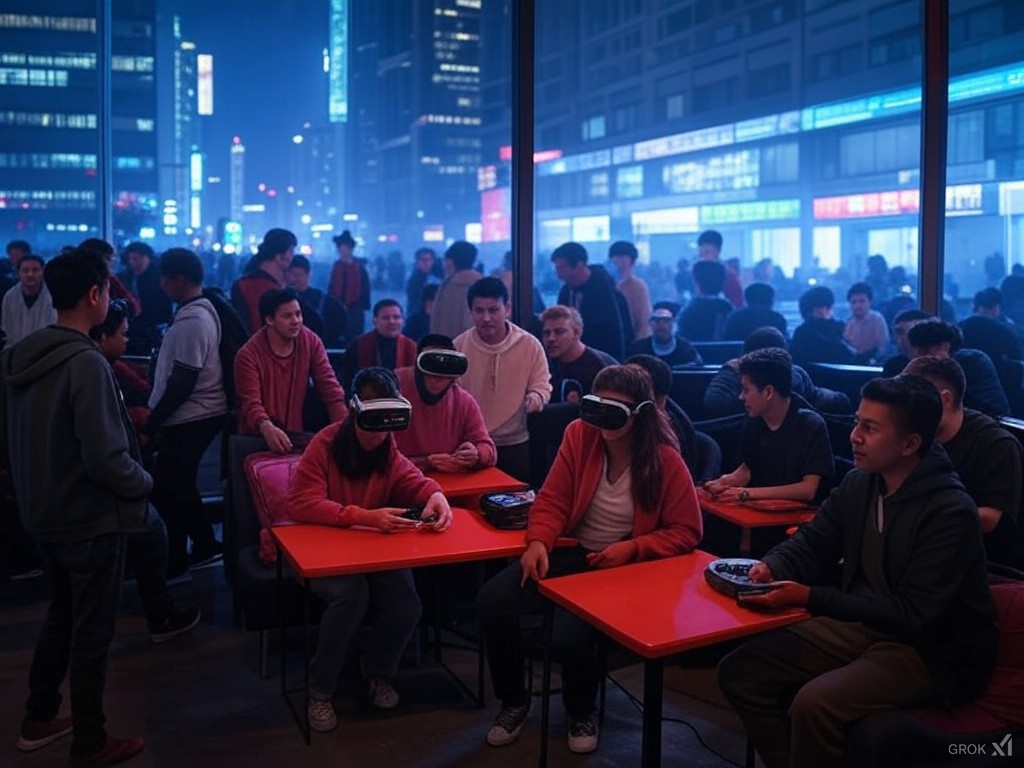
Fan art, theories, and roleplay can make games more interesting. For example, series like Elder Scrolls or Dark Souls stay alive because of passionate fans.
3. Share Laughter
Memes, funny moments, and complaints can make gaming feel fun again, even if the game is repetitive.
4. Talk to Developers
Communities can give feedback to game developers, helping improve games.
Challenges Communities Face
1. Toxic Behavior
Some communities can be unfriendly or exclude people.
2. Meta Pressure
Communities might push certain strategies too much, making games feel less creative.
3. Too Much Approval-Seeking
If people care too much about likes or comments, gaming can feel like a chore.
4. Losing Individuality
People might feel forced to follow trends or popular opinions instead of enjoying games their own way.
Finding Balance
Here’s how communities can help gamers enjoy games again:
Be Positive: Create safe spaces where everyone feels welcome.
Encourage Variety: Support different playstyles and opinions.
Give Helpful Feedback: Share ideas with developers in a kind way.
Balance Community and Personal Fun: Make sure gaming stays about fun for the player, not just about fitting in.
Conclusion
Feeling like there’s no game to play isn’t just about the games. It’s also about how we connect with games and each other. A good gaming community can bring back the fun and joy of discovery. By embracing creativity, kindness, and diversity, gaming can become an adventure we share together.
Let’s remember why we fell in love with games in the first place.
Comments
Join the discussionDmksf